Maintaining the correct temperature throughout storage and distribution is one of the most critical responsibilities within the healthcare and pharmaceutical supply chain. Even a brief deviation outside the approved temperature range can have serious consequences.
These deviations, known as temperature excursions, are a common challenge for manufacturers, distributors and logistics providers. While many excursions are avoidable, understanding why they occur and how to prevent them is essential for protecting product integrity, maintaining compliance and ensuring customers receive products in the condition intended by the manufacturer.
What Is a Temperature Excursion?
A temperature excursion occurs when a product is exposed to temperatures outside its approved storage or transportation range for a period of time.
The severity of an excursion depends on several factors, including the temperature reached, the length of exposure and the sensitivity of the product involved. In some circumstances, products may remain suitable for use following assessment by the manufacturer. In others, they may need to be quarantined, investigated or even destroyed.
While a two-degree variation for a short period may seem insignificant, certain products can be highly sensitive to temperature fluctuations. This is why organisations operating within regulated supply chains invest heavily in monitoring, validation and documented processes.
Why Temperature Excursions Matter
The primary concern is product integrity. Many pharmaceutical and healthcare products are formulated to remain stable within specific temperature ranges. Exposure to temperatures outside those limits can alter their effectiveness, reduce shelf life or compromise quality.
Beyond the product itself, temperature excursions can create wider operational and compliance challenges. Businesses may find themselves dealing with investigations, additional administrative workloads, delayed deliveries and dissatisfied customers. In worst-case scenarios, excursions can contribute to product shortages, recalls or regulatory scrutiny.
For healthcare providers and patients, the impact extends even further. Ensuring products arrive in their intended condition is not simply a logistics requirement. It is a critical part of maintaining trust in the healthcare supply chain.
Common Causes of Temperature Excursions
Despite advances in monitoring technology, temperature excursions can still occur at various stages of the supply chain.
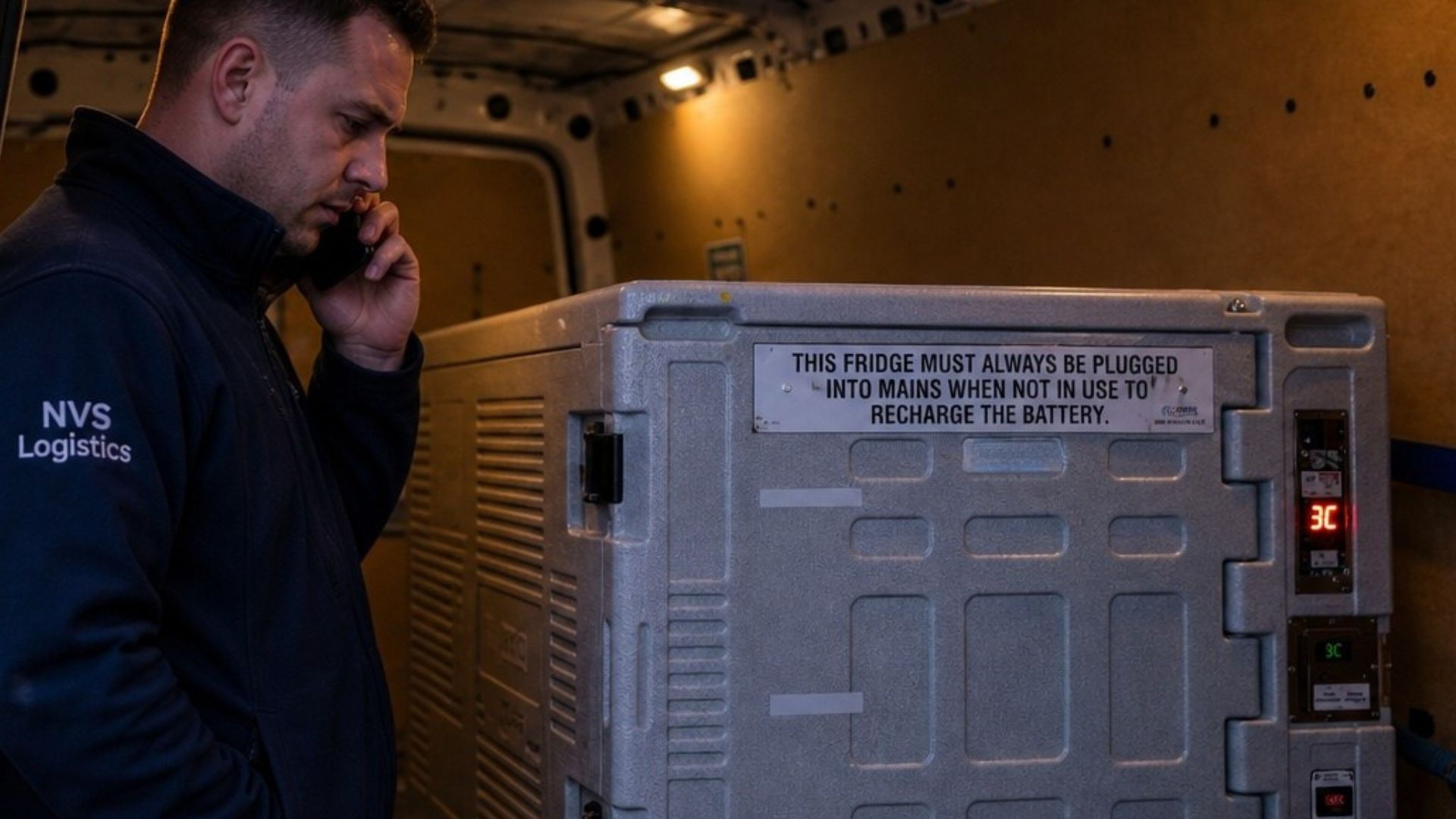
In many cases, the issue begins with equipment. Refrigeration units, temperature-controlled vehicles and warehouse cooling systems all require regular maintenance and performance checks. A minor fault that goes unnoticed during cooler weather can quickly become a major issue during periods of high demand or extreme temperatures.
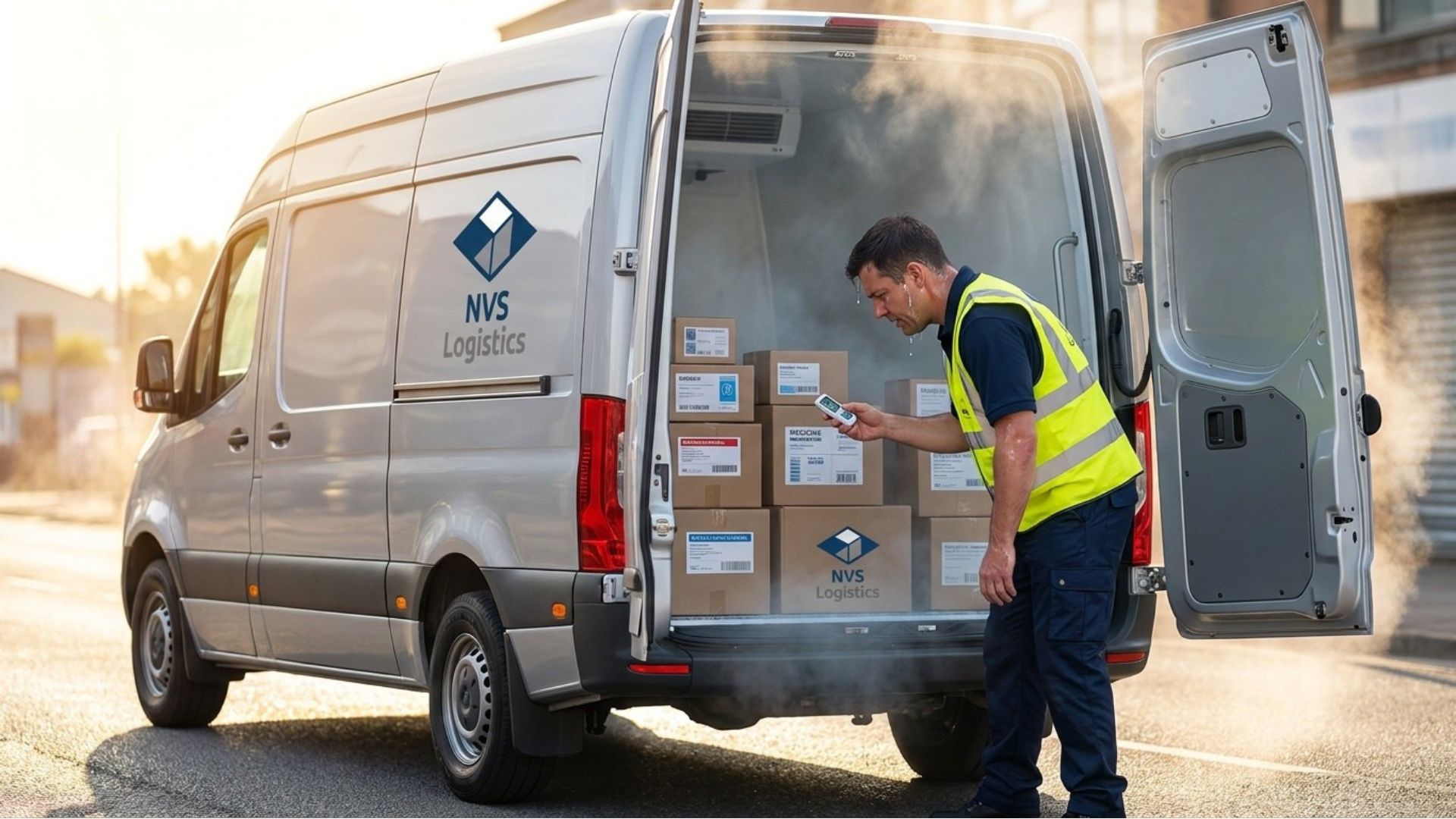
Operational processes can also play a significant role. Products may be exposed during loading and unloading activities if doors are left open for extended periods or if goods remain in unsuitable environments while awaiting collection. The longer a product is left outside a temperature-controlled space, the greater the risk becomes.
Transport delays are another common factor. Unexpected traffic congestion, vehicle breakdowns or changes to delivery schedules can significantly extend transit times. Without adequate packaging and temperature control measures in place, these delays can expose products to conditions beyond their approved limits.
Human error should not be overlooked either. Incorrect handling procedures, missed monitoring alerts or failures to follow documented processes remain among the most common causes of supply chain incidents across many industries.
The Hidden Cost of a Temperature Excursion
When people think about a temperature excursion, they often focus on the immediate value of the affected product. However, the real cost is usually much higher.
An excursion can trigger investigations, stock quarantines and communications between manufacturers, logistics providers and customers. Additional resources may be needed to assess product viability and document corrective actions. Deliveries can be delayed while decisions are made, creating knock-on effects throughout the supply chain.
There is also the reputational impact to consider. Customers expect healthcare products to arrive safely and compliantly. Repeated incidents can quickly undermine confidence in a supplier’s ability to manage temperature-sensitive goods effectively. For organisations handling high-value pharmaceutical products, the financial implications can be substantial.
How Organisations Can Reduce Risk
Preventing temperature excursions requires more than simply installing temperature monitoring equipment. Successful organisations take a holistic approach that considers people, processes and technology, working together seamlessly.
Continuous temperature monitoring provides visibility throughout storage and transportation, allowing teams to identify potential issues before they escalate. When combined with automated alerts, businesses can respond quickly to unexpected changes and take corrective action before products are affected.
Equally important is the validation of packaging and transportation methods. Packaging should be tested against the conditions it is likely to experience during transit, particularly during seasonal extremes such as summer heatwaves or cold winter periods.
Staff training also remains a vital part of excursion prevention. Employees should understand temperature requirements, monitoring procedures and the actions required when an issue is identified. A well-trained team is often the strongest defence against avoidable incidents.
Finally, organisations should regularly review their contingency plans. Equipment failures, severe weather and transport disruptions cannot always be prevented, but businesses can minimise their impact through robust escalation procedures and clearly defined response processes.
Building a More Resilient Cold Chain
Temperature excursions may never be eliminated entirely, but their frequency and impact can be significantly reduced through careful planning and proactive management.
Organisations that invest in monitoring, validation, staff training and compliant logistics processes place themselves in a much stronger position to protect product integrity and maintain customer confidence. In an increasingly regulated and quality-focused environment, preventing temperature excursions is not just a compliance exercise. It is an essential part of delivering a reliable and resilient supply chain.
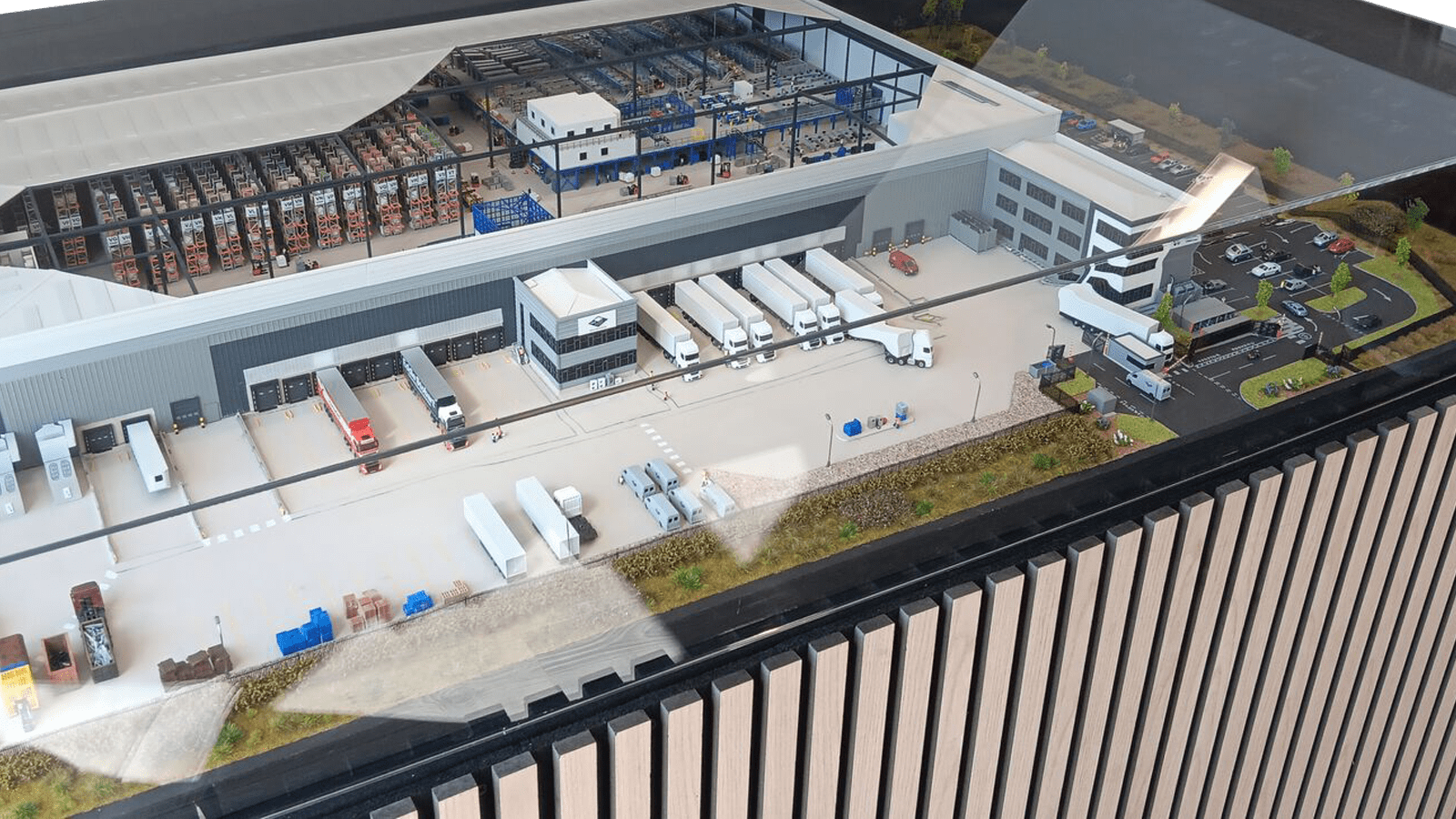
At NVS Logistics, we recognise the importance of maintaining temperature control at every stage of the distribution journey. Through carefully managed storage, transportation and monitoring processes, we help organisations safeguard product quality and maintain compliance from warehouse to point of delivery.