
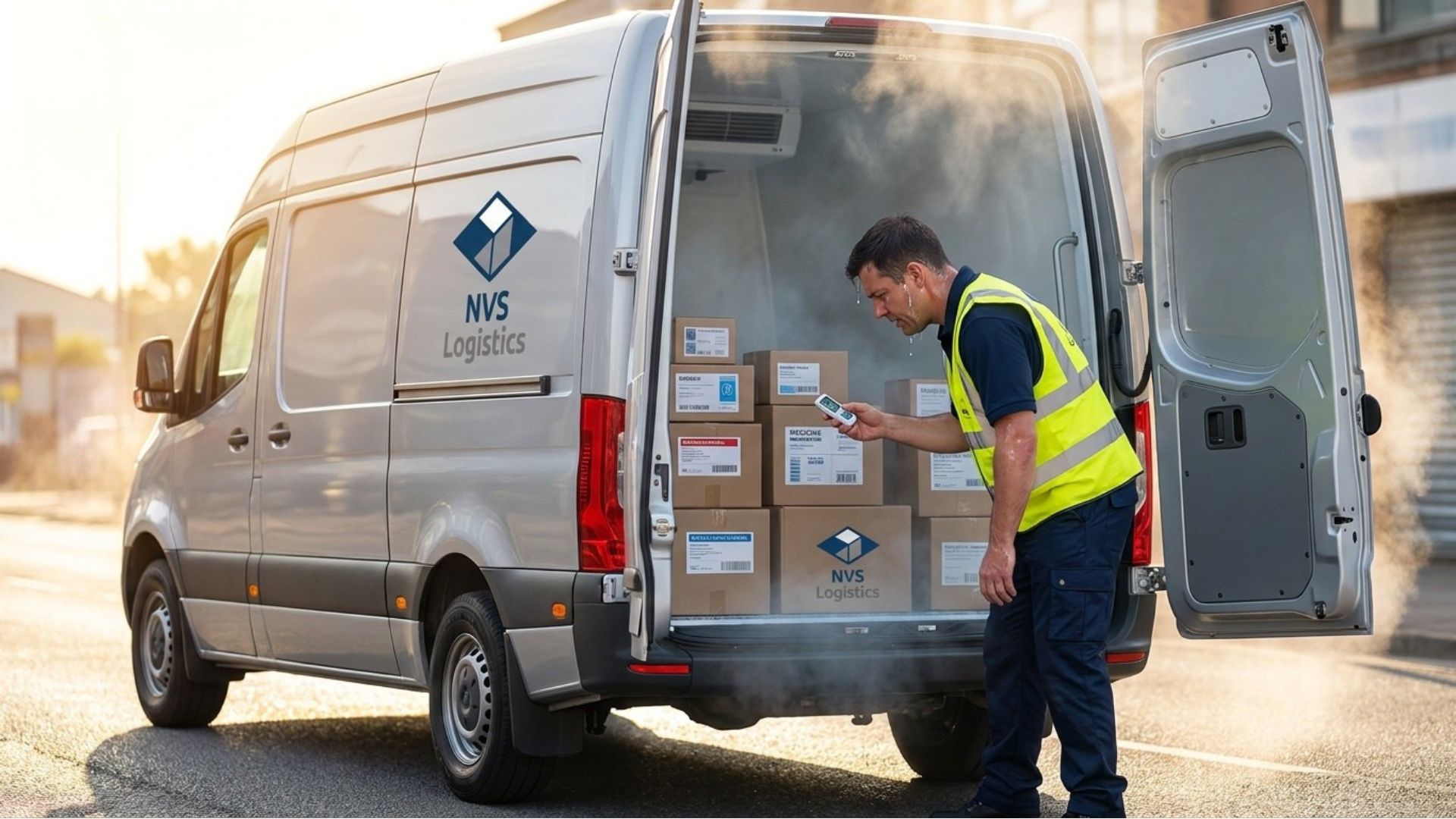
As temperatures rise across the UK during the summer months, organisations responsible for storing and transporting temperature-sensitive products face increased pressure to maintain compliance throughout the supply chain.
For pharmaceutical manufacturers, healthcare suppliers and distributors, the cold chain is critical to preserving product integrity, ensuring regulatory compliance and protecting patient safety. Even brief temperature excursions can compromise products, result in costly waste and create significant compliance concerns.
With summer heatwaves & climates changing, now is the ideal time to review your cold chain processes and identify any potential risks before they affect your operations.
What Is the Cold Chain?
The cold chain refers to the temperature-controlled supply chain that ensures products are stored, handled and transported within specified temperature ranges from manufacture through to final delivery.
Products commonly requiring cold chain management include:
- Vaccines
- Biological products
- Pharmaceuticals
- Clinical trial materials
- Diagnostic products
- Veterinary medicines
- Temperature-sensitive medical devices
Maintaining the correct temperature throughout every stage of the journey is essential to ensure product quality, efficacy and safety.
Why Heatwaves Increase Cold Chain Risks
During periods of extreme weather, cold chain operations face additional challenges that can increase the likelihood of temperature deviations.
Common risks include:
Increased Vehicle Temperatures
Higher external temperatures place greater demands on refrigerated vehicles and temperature-controlled transport equipment. Systems that perform well during mild weather may struggle under prolonged heat stress if not properly maintained.
Longer Delivery Times
Road congestion, vehicle breakdowns and unexpected delays can increase transit times, placing products at greater risk of exposure.
Loading and Unloading Exposure
Products are particularly vulnerable during loading and unloading activities when refrigerated environments are temporarily opened to higher ambient temperatures.
Equipment Failure
Heatwaves can increase strain on refrigeration systems, storage units and warehouse cooling equipment, making preventative maintenance more important than ever.
Your Cold Chain Compliance Checklist
A proactive review of your cold chain procedures can help minimise risk and maintain compliance throughout the summer months.
Verify Temperature Monitoring Systems
Temperature monitoring is the foundation of any compliant cold chain operation. Ensure all monitoring equipment is functioning correctly and that any alerts are reviewed and acted upon promptly.
Inspect Refrigerated Vehicles
Vehicle performance should be reviewed regularly, particularly during periods of elevated temperatures. Even minor equipment issues can become significant problems during a heatwave.
Review Packaging Performance
Temperature-controlled packaging plays a vital role in protecting products throughout transit. Packaging suitable for winter conditions may not provide sufficient protection during periods of extreme heat.
Assess Delivery Routes
Route planning has a direct impact on product protection, optimised routes reduce transit times and minimise exposure risks.
Test Escalation Procedures
If a temperature excursion occurs, every team member should know exactly what action to take. A rapid response can significantly reduce the impact of an excursion.
Check Warehouse Temperature Controls
Maintaining product integrity begins long before a vehicle leaves the loading bay. Warehouse compliance should be reviewed as part of the wider cold chain rather than as an isolated activity.
Refresh Staff Training
People remain one of the most important components of cold chain management, regular refresher training helps reduce human error and maintain operational consistency.
The Importance of End-to-End Visibility
Cold chain compliance does not end when products leave the warehouse.
Manufacturers, distributors and logistics providers must maintain visibility throughout the entire delivery journey to ensure products remain within approved temperature ranges until they reach the customer.
Real-time monitoring, detailed audit trails and robust reporting capabilities provide confidence that products have been protected every step of the way.
Preparing for the Next Heatwave
Summer weather should never come as a surprise to your supply chain. Organisations that proactively review their cold chain processes are far better positioned to protect products, maintain compliance and deliver exceptional service when temperatures rise.
By reviewing temperature monitoring systems, transport operations, packaging performance and escalation procedures, businesses can significantly reduce the risk of costly temperature excursions and ensure product integrity from warehouse to point of delivery.
At NVS Logistics, we understand the importance of maintaining a compliant cold chain throughout the entire supply chain journey. Through carefully managed storage, transportation and monitoring processes, we help manufacturers and healthcare organisations maintain product quality, compliance and confidence, whatever the weather.